


Ecological Water Design
Two Ponds, One Living System
- Location
- Utrecht, Netherlands
- Main intervention
- Planted stream connection, wetland biofilter, wildlife edges
- Status
- Developing
01Project Introduction
A private garden with two separate ornamental ponds, both installed a decade apart and both struggling. The client wanted clear water, less maintenance and more life — without losing the character of the garden.
02Existing Situation
The upper pond sat in full sun with no planting and turned green every summer. The lower pond was shaded, silted and slowly leaking. Neither had shallow edges, so wildlife could reach the water but not use it.
03Ecological Challenge
Both ponds were isolated elements: no circulation, no filtration, no connection to the soil and planting around them.
- Water leaving the site too quickly through the leak
- No circulation between sun-warmed and shaded water
- Limited habitat — steep liner edges, no marginal planting
- Nutrient load with nothing planted to absorb it
04Design Strategy
Treat the two ponds as one system. Water is lifted once from the lower pond and returns by gravity through a planted stream, a wetland biofilter and a shallow spillway — so every metre of the route filters, oxygenates or hosts life.
05System Diagram
The upper pond overflows into a planted stream that drops through a gravel wetland. The wetland's root zone strips nutrients before the water re-enters the lower pond across a stone spillway that doubles as a bird bath and insect drinking edge.
06Materials and Planting
Excavated stone was reused for the spillway and stream bed. Planting follows wet-to-dry gradients: submerged oxygenators, marginal rushes and sedges, moisture-loving perennials on the banks, and a native hedge line for shelter.
07Construction Process
Phase one repaired the lower pond and shaped the new edges. Phase two built the stream and wetland filter. Phase three planted the system and calibrated flow rates over several weeks of observation.
08Result
Clear water within one season, dragonflies and amphibians in the first summer, and a garden that now sounds like moving water instead of a pump.
09Long-Term Development
The wetland filter matures over two to three years as root mass builds. Maintenance shifts from cleaning to editing: thinning vigorous planting and letting the system settle into its own balance.
10The Transformation
BeforeAfter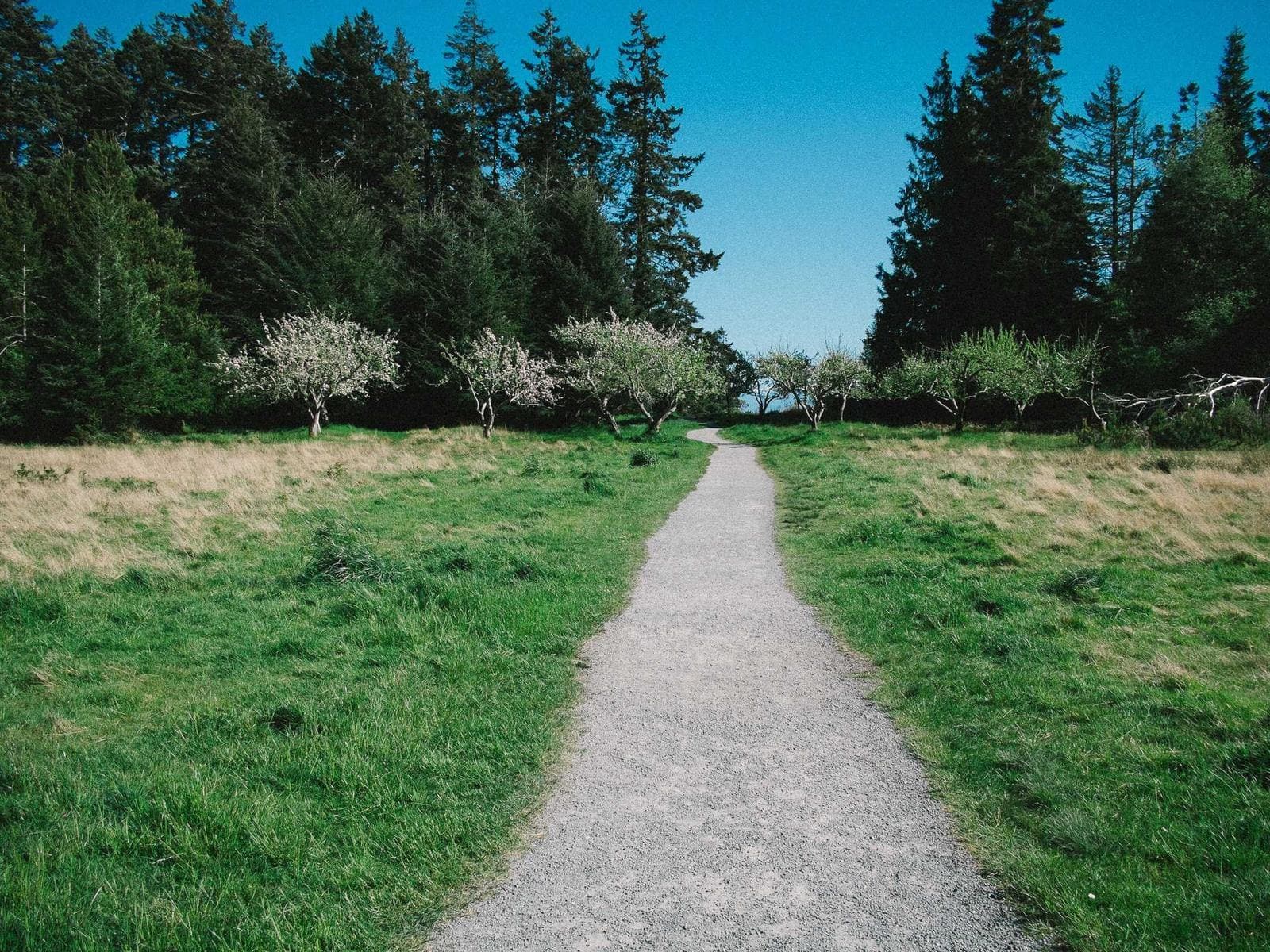
11Measured Outcomes
Aquatic and marginal species observed
Counted along both ponds and the stream edge, seasons one and two.
11to34
Rainwater retained per storm event
Roof and terrace runoff now feeds the system instead of the sewer.
0 m³to18 m³
Excavated stone returned as habitat
Dry-stacked into edges and refuges rather than hauled away.
80%
Maintenance hours per season
The biofilter does the work the weekly regime used to.
26 hto6 h
Soil organic matter, planted banks
Three seasons tracked; undisturbed soil and mulch left in place.
2.1%to4.8%
12Project Metrics
- Water retained on site
- ≈ 18 m³
- Hard surface removed
- 42 m²
- Habitat zones created
- 6
- Native species added
- 58
- Water circulation
- Continuous, gravity-assisted
- Materials reused
- 80% of excavated stone
Have a site with the same problem?